
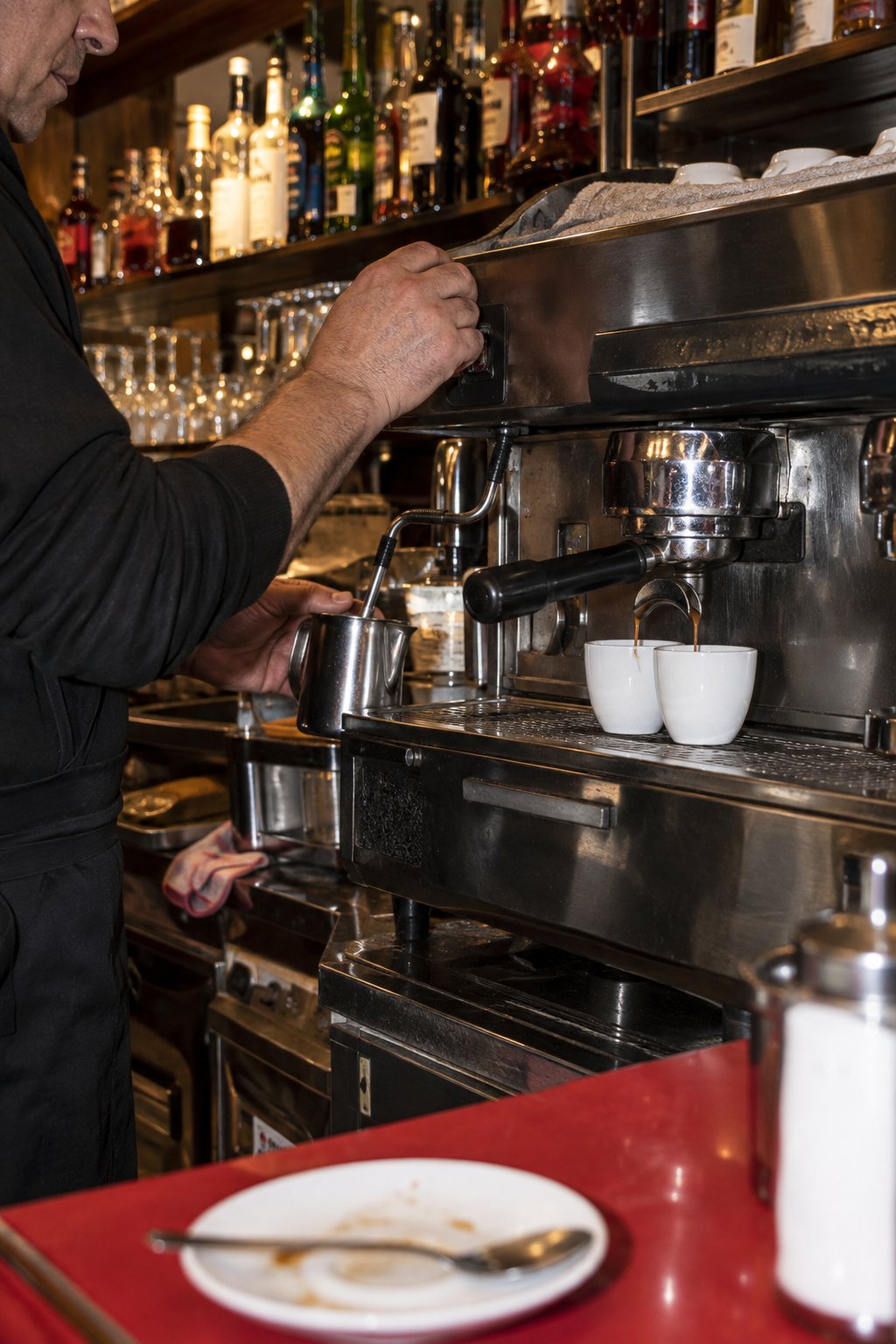
Our coffee

We import green coffee, taste it and roast it ourselves, here in Milan.
One bag, three tags
All three blends come in the same bag.
The swing tag, printed with the blend’s name, tells them apart.




Classico
70% Arabica · 30% Robusta
Chocolate on the nose, caramel on the palate and a hazelnut crema that holds. The coffee people order without a second thought, every morning.
- In the cup:
- Chocolate, caramel, cocoa, hazelnut crema
- Best for:
- Espresso, cappuccino and other milk drinks, moka pot
| Attribute | 1-5 |
|---|---|
| Body | 3.5 |
| Acidity | 2 |
| Complexity | 3.5 |
| Sweetness | 4 |
| Bitterness | 3 |
| Persistence | 3 |
| Crema | 3.5 |
Scored on Caffè Carati’s own 1–5 scale, relative to our range. These are not SCA or IIAC scores.
Florita
100% Arabica
A light, bright cup, with citrus and honey up front and a finish that leaves no bitterness behind. Take it without sugar to taste everything it has.
- In the cup:
- Citrus, honey, the faintest bitterness, clean finish
- Best for:
- Espresso without sugar, speciality cafés and upmarket bars, moka pot and filter
| Attribute | 1-5 |
|---|---|
| Body | 2.5 |
| Acidity | 3 |
| Complexity | 4.5 |
| Sweetness | 3 |
| Bitterness | 2 |
| Persistence | 2.5 |
| Crema | 3 |
Scored on Caffè Carati’s own 1–5 scale, relative to our range. These are not SCA or IIAC scores.
Intenso
50% Arabica · 50% Robusta
Full body, thick crema, bitter cocoa and a long finish. It holds its own with sugar and milk, and the hundredth cup tastes exactly like the first.
- In the cup:
- Bitter cocoa, toasted grain, spice, long finish
- Best for:
- Espresso at the bar, sugared or not; busy cappuccino service; moka pot
| Attribute | 1-5 |
|---|---|
| Body | 5 |
| Acidity | 1 |
| Complexity | 2 |
| Sweetness | 2 |
| Bitterness | 4.5 |
| Persistence | 4.5 |
| Crema | 5 |
Scored on Caffè Carati’s own 1–5 scale, relative to our range. These are not SCA or IIAC scores.
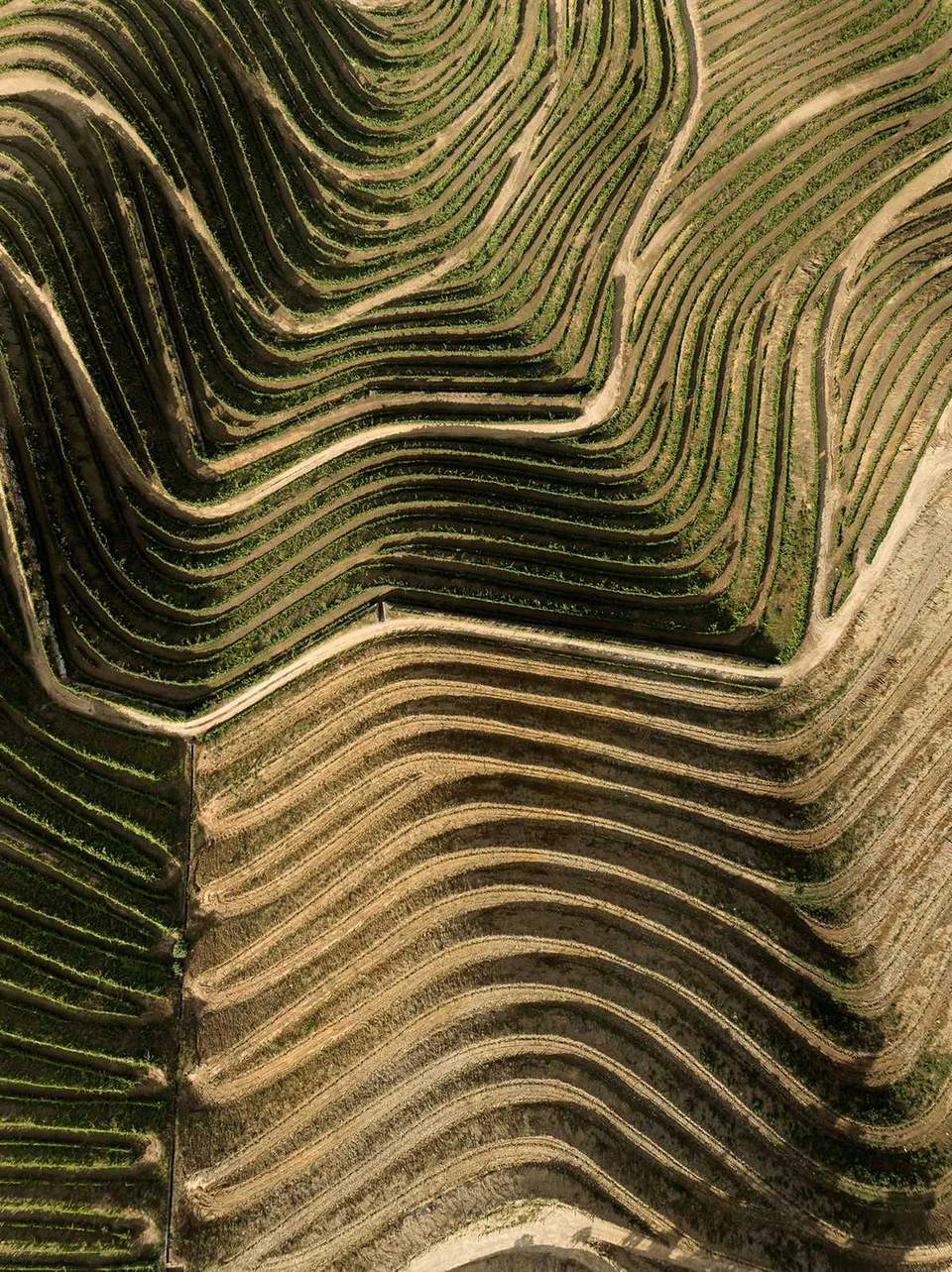
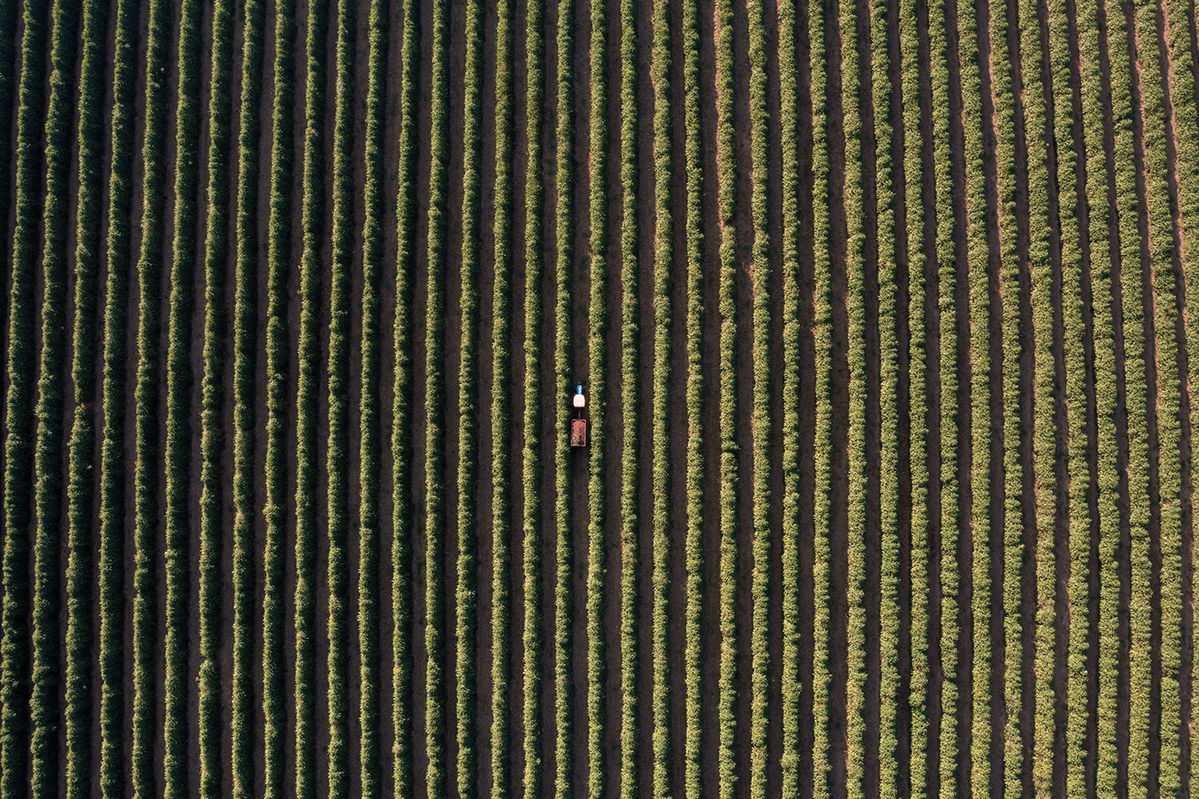
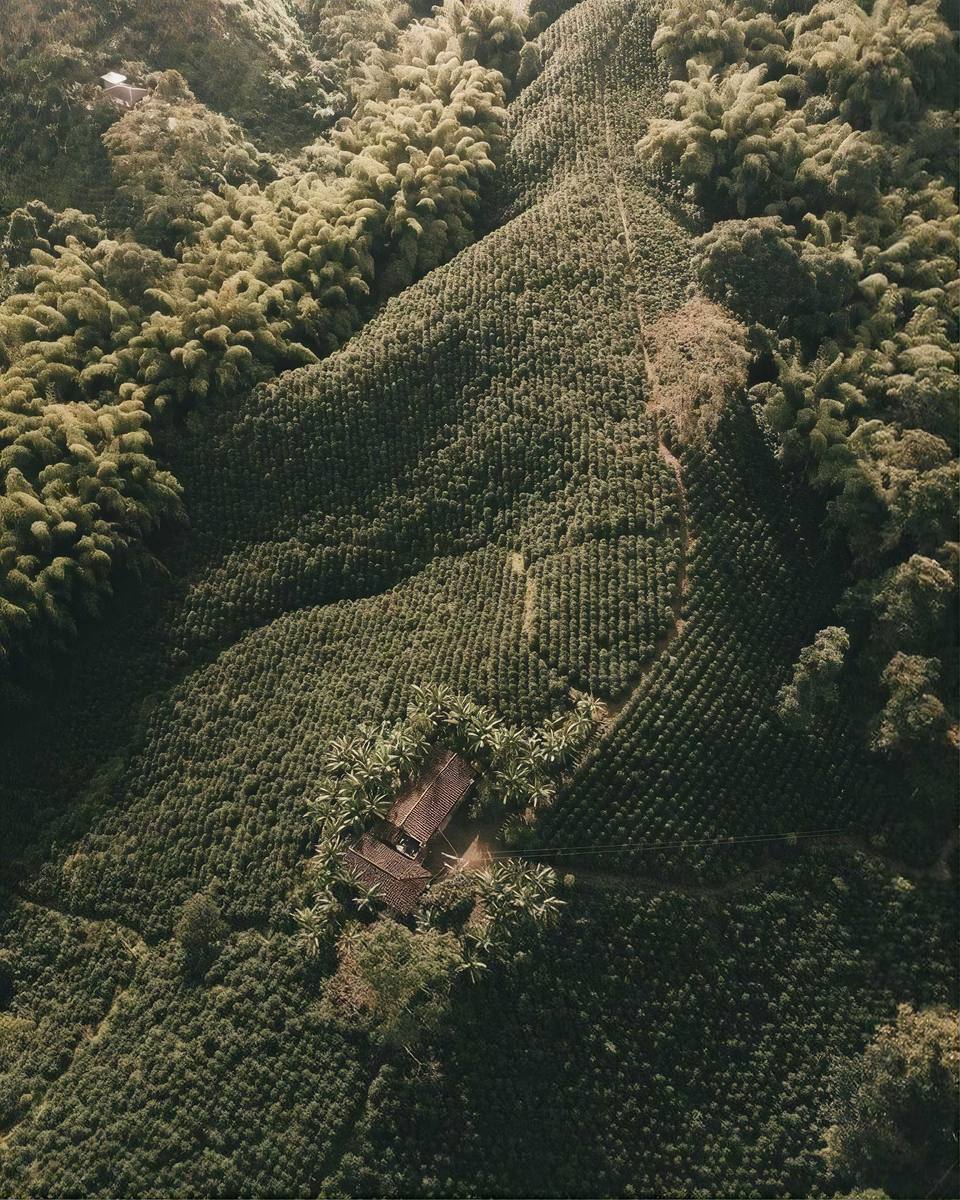
Every Carati blend brings together coffees from several countries. We work with more than one origin because harvests vary from year to year: each season we assess the lots on offer and pick the ones that give the best yield and the quality we’re known for, while the cup stays the same.
These are the coffees we choose from.
Arabica
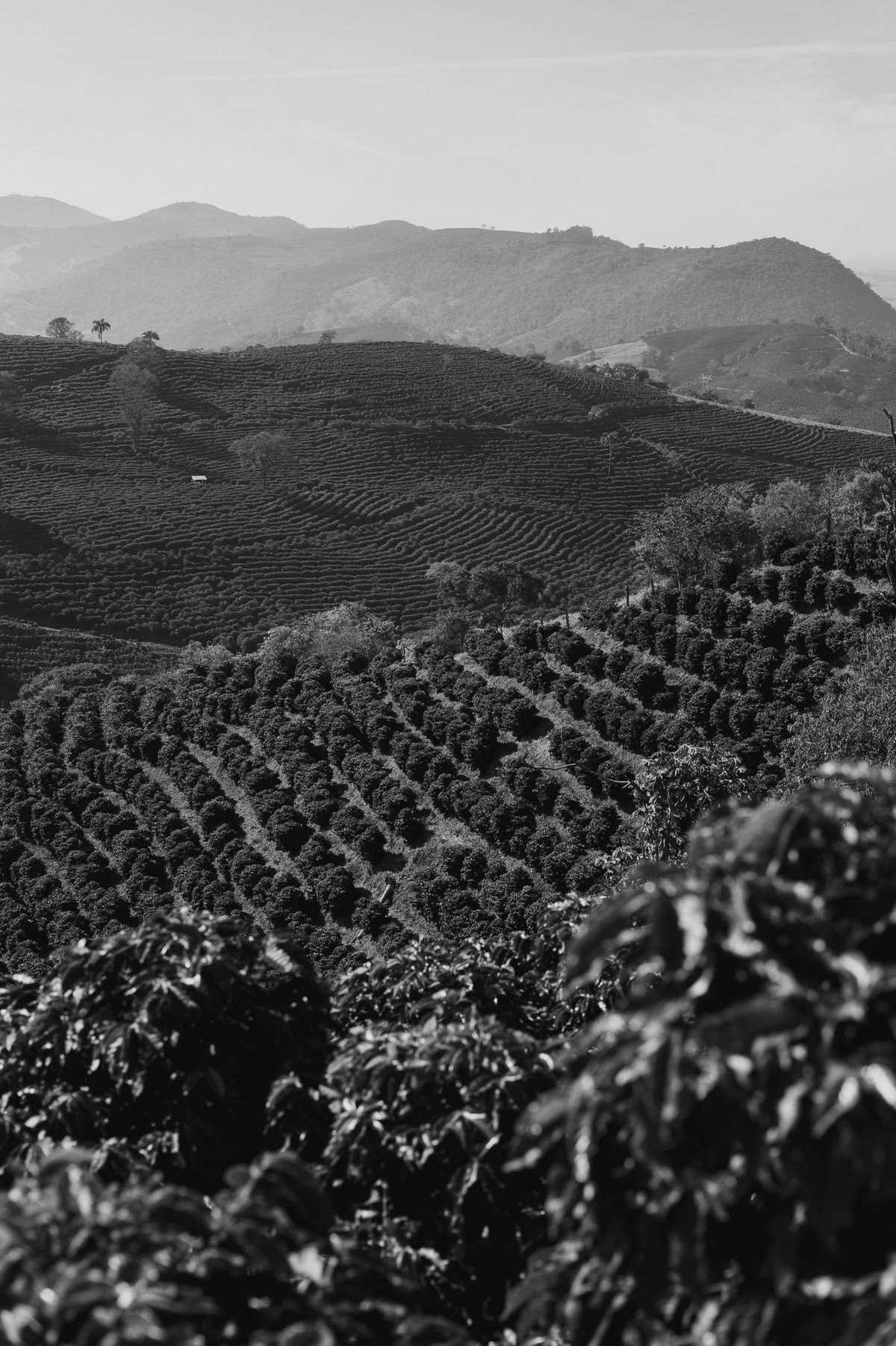
Brazil Santos
NY 2/3 · screen 17/18 · Fine Cup
Brazil alone grows around 40% of the world’s arabica. Smooth and sweet, Santos is the backbone of Italian blends.
- Process
- Natural
- In the cup
- Hazelnut, almond, milk chocolate, caramel. Very low acidity
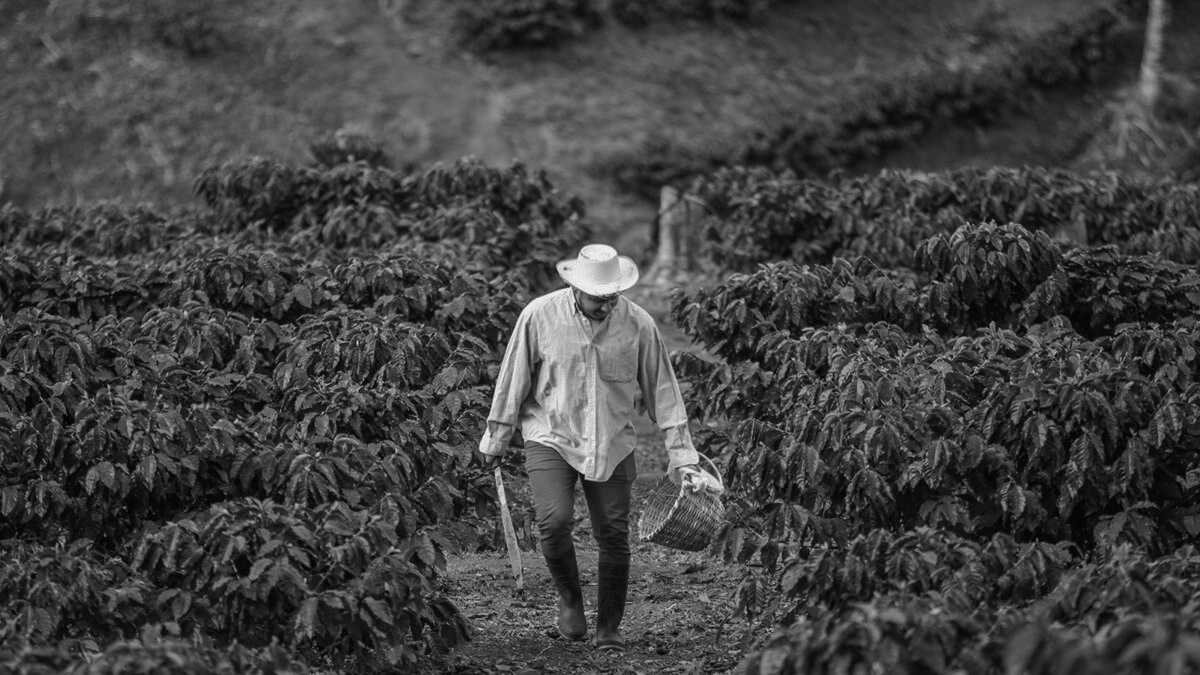
Honduras
SHG washed
Central America’s biggest producer, where small family farms grow coffee in the mountains. It brings character without weighing the blend down.
- Process
- Washed
- In the cup
- Milk chocolate, caramel, honey. Moderate citrus acidity
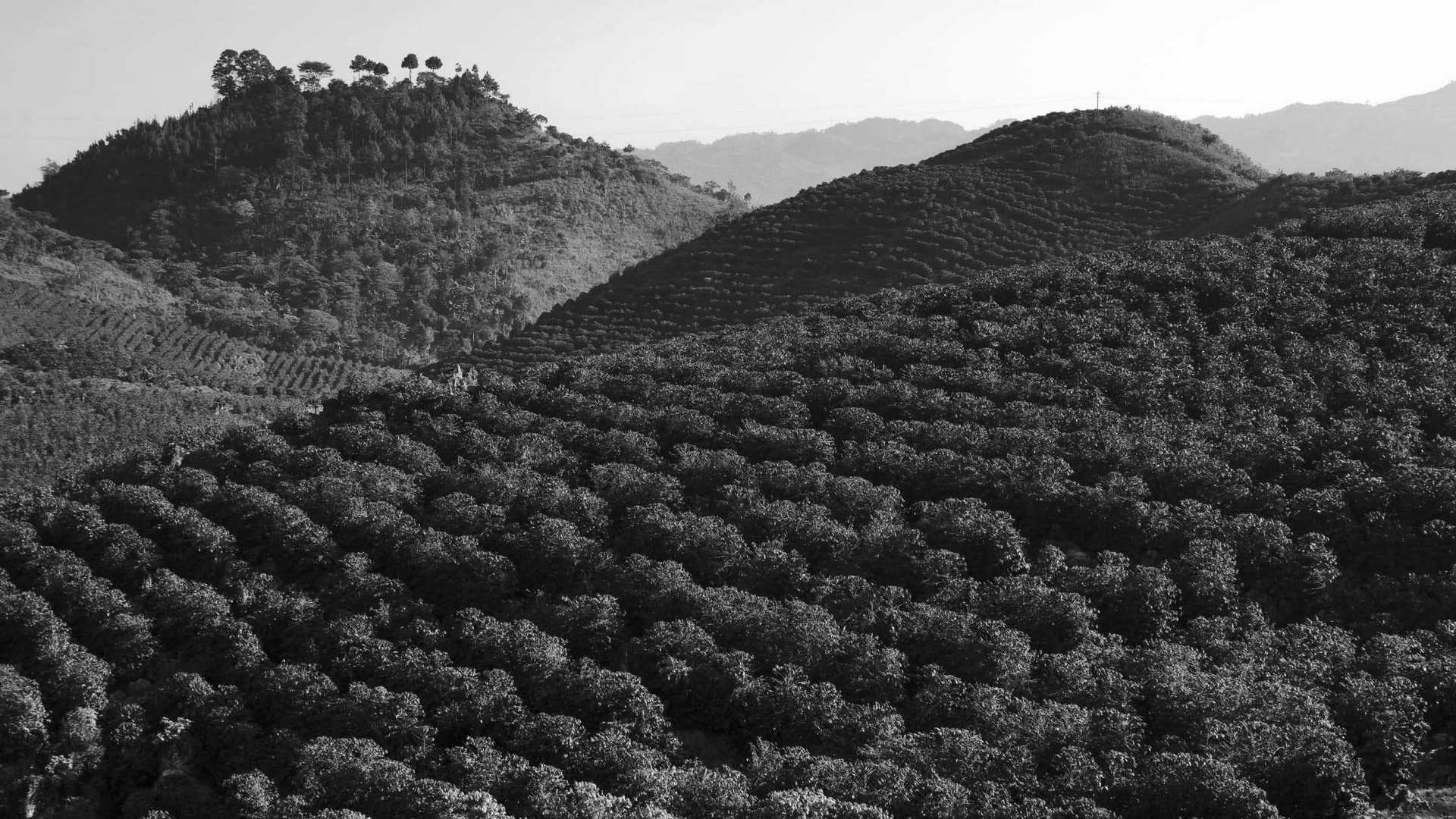
Guatemala Huehuetenango
SHB
Guatemala’s highest region, where warm winds from Mexico let coffee grow above 2,000 metres. The result is a clean, well-defined cup.
- Process
- Washed
- In the cup
- Chocolate, toasted almond, cane sugar. Lively acidity
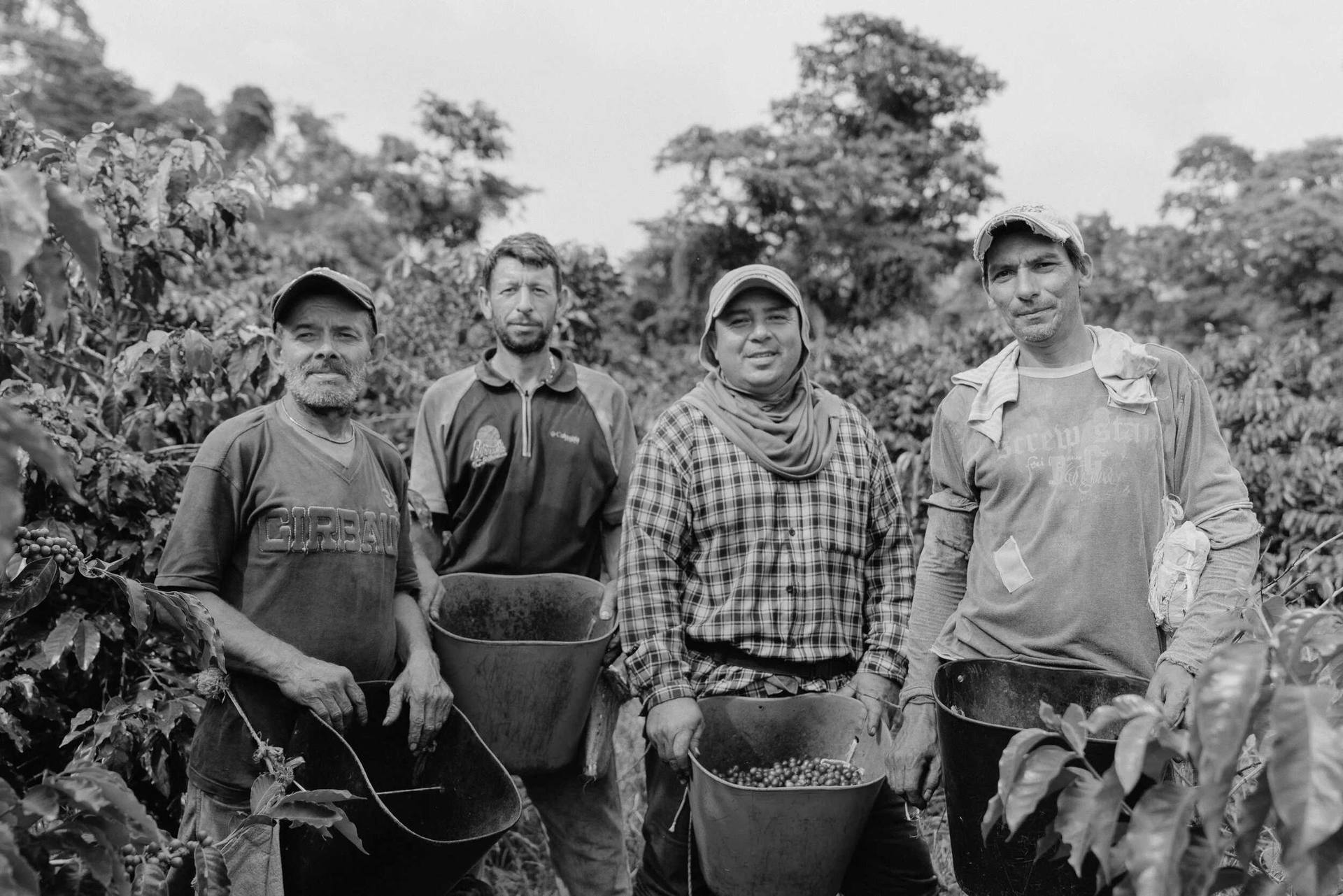
Colombia Excelso
Excelso · screen 14/16
The Andes give it two harvests a year, and it exports mostly washed arabica. It’s the benchmark every other washed coffee is measured against.
- Process
- Washed
- In the cup
- Chocolate, gentle sweetness, clean cup
Ethiopia Washed
Limu washed
Where arabica was born, and where it still grows wild in the forest understorey. Washed Ethiopian coffee is smooth and spicy, with notes of dark honey.
- Process
- Washed
- In the cup
- Warm spice, dark honey, clean cup
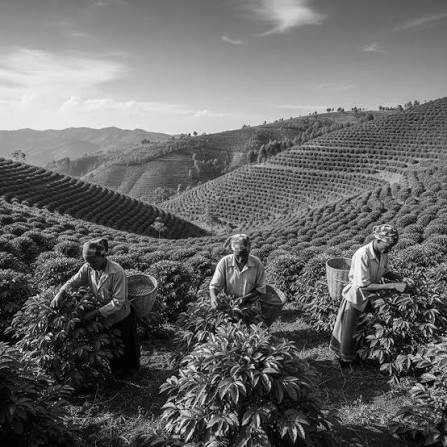
Ethiopia Sidamo / Yirgacheffe
G1 / G2 WASHED
Home of the floral washed coffee the rest of the world takes its cue from, grown above 1,700 metres. Even a small share comes through across the whole blend.
- Process
- Washed
- In the cup
- Floral, berries, citrus
Robusta
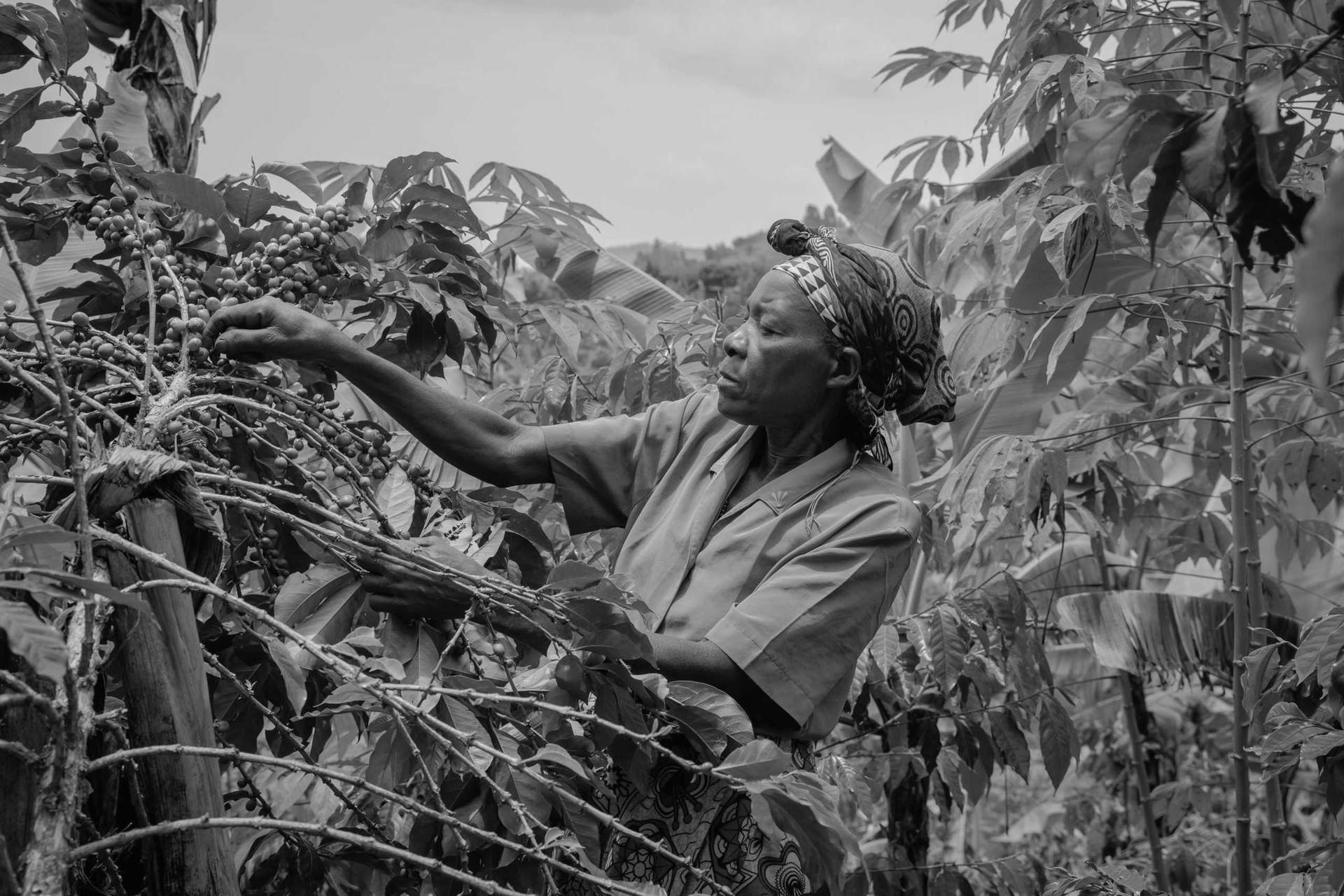
Uganda
SCREEN 18
The home of robusta, grown here at arabica altitudes. Denser and sweeter than most.
- Process
- Natural
- In the cup
- Chocolate and hazelnut
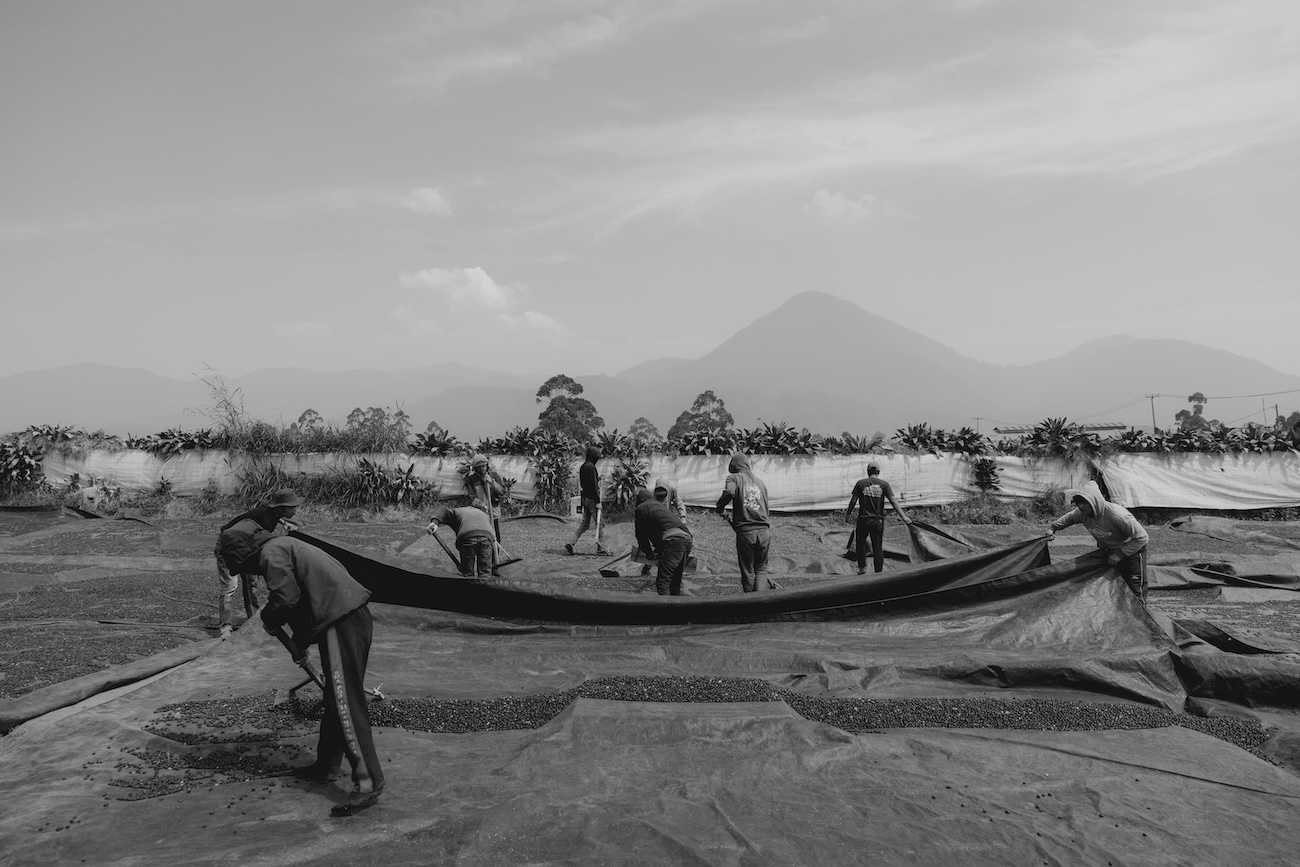
Indonesia Lampung
GR2
The heart of Indonesian robusta, on Sumatra. The darkest note among our origins.
- Process
- Natural
- In the cup
- Earthy and spicy
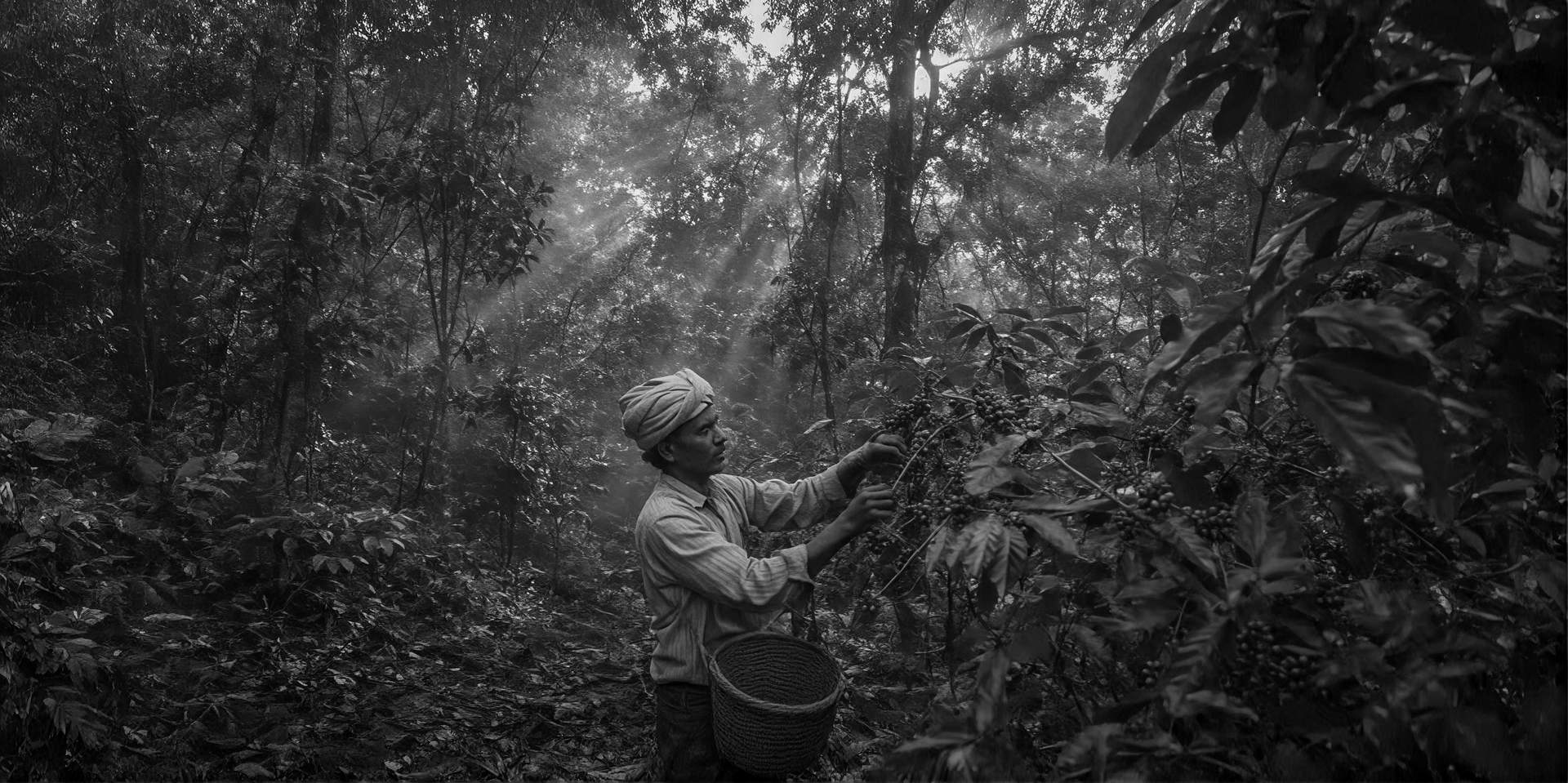
India Parchment AB
SCREEN 15/16
One of the few major producers to wash its robusta, grown in the shade of the forest. A clean cup and a stable crema.
- Process
- Washed
- In the cup
- Chocolate and spice
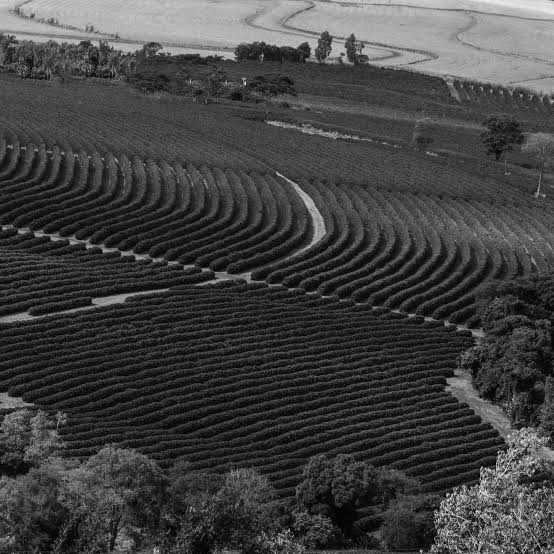
Brazil Conilon
TYPE 7/8 · SCREEN 13+
Robusta from Brazil’s lowlands. Neutral in character, it brings crema and body and leaves the stage to the arabica.
- Process
- Natural
- In the cup
- Neutral and smooth
The codes you’ll find on our lots
- NY 2/3
- Brazilian grading by number of defects: the lower the number, the better the lot.
- SCREEN 17/18
- Bean size, in sixty-fourths of an inch. The bigger the bean, the more even the roast.
- FC / SS
- Fine Cup, Strictly Soft: a Brazilian grade for the cup, not the bean.
- SHG / SHB
- Strictly High Grown / Strictly Hard Bean: grown above 1,200 m. A denser bean and more aroma.
- EP
- European Preparation: tighter sorting, no more than 8 defects per 300 g.
- G1 … G5
- Ethiopian grades by number of defects; G1 is the best.
- GR1 … GR4
- Indonesian grades by number of defects per 300 g; GR1 is the best.
- EK-1
- Eerste Kwaliteit, Dutch for “first quality”, a colonial legacy. It’s a grade, not a process.
- ELB
- Extra Large Beans: large beans, screen 15–19.
- AP
- After Polished: the beans are mechanically polished after hulling. It’s purely cosmetic, and it doesn’t make the coffee washed.
- WIB
- West Indische Bereiding: Indonesian robusta that really is washed.
- NO BLACK
- A lot cleared of black beans: it costs a little more, and you can taste the difference.
Hundreds of cups a day, every one the same.
That’s how we measure quality.
We import our green coffee ourselves, so before we buy a lot we get a sample sent from origin. First it goes into water: hollow or damaged beans float, and tell us how many defects the lot has. Then we roast it and taste it. If we’re not convinced, we don’t buy.
This is the step that matters most: roasting can bring out the best in good green coffee, but it can’t save a poor one.